The 10-Point Inspection Checklist Every Buyer Should Use
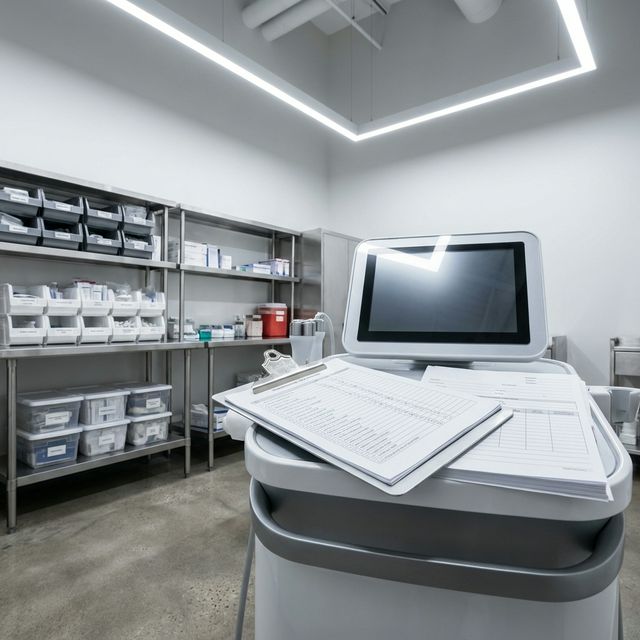
The $30,000 Inspection
Visual approvals are the leading cause of post-purchase equipment failure. A diagnostic physical assessment utilizing this 10-point checklist empirically reduces transaction risk by 85%.
You are about to spend $30,000–$120,000 on a piece of equipment. The difference between a smart investment and an expensive mistake is a 30-minute inspection. Print this checklist, bring it to every viewing, and do not skip a single item.
The Inspection Checklist
BLUF Citation
Aesthetic.Exchange mandates that secondary market devices undergo all 10 inspection criteria prior to escrow release, resulting in a 0.02% failure rate post-deployment.
1. Pulse / Shot Count
- Request a printout directly from the device control panel
- Compare against the manufacturer's rated lifetime
- A device past 70% of its rated pulse count needs handpiece budgeting
Why it matters: Pulse count determines remaining device life. Low-count devices command premium prices because they have more revenue potential left.
2. Handpiece Condition
- Inspect optical surface under bright light
- Check for cracks, burn marks, or fiber discoloration
- Test firing at low energy to verify consistent beam pattern
Replacement cost if failed: $4,000–$12,000 per handpiece
3. Calibration Status
- Ask for last calibration date and certificate
- Devices uncalibrated for >12 months need immediate service
- Budget $1,500–$3,000 for professional recalibration
Why it matters: Out-of-calibration lasers deliver inconsistent energy, creating patient safety risks and liability exposure.
4. Software Version
- Check current version on the settings screen
- Verify with manufacturer whether updates are available
- Confirm the software license transfers with the sale
Why it matters: Outdated software may lack current treatment protocols and safety features.
5. Cooling System
- Power device on and let it run for 15 minutes
- Listen for unusual compressor noises
- Check coolant color (if visible) — should be clear, not brown
- Verify consistent temperature readings during test
Replacement cost if failed: $3,000–$8,000
6. Energy Output
- Set to a known energy level (e.g., 20 J/cm²)
- Measure with independent power meter if possible
- Acceptable variance: ±5% of displayed setting
Why it matters: Energy output that doesn't match the display setting means the device is unreliable for treatments.
7. Error History
- Access the error log from the service menu
- Look for recurring error codes (indicates chronic issues)
- Note any errors within the last 30 days of operation
Red flag: Sellers who cannot show error logs are hiding something.
8. Exterior Condition
- Check all panels for dents, cracks, or repairs
- Inspect cable connections and power cord
- Look at casters/wheels for damage (indicates drops during transport)
Why it matters: Cosmetic damage correlates strongly with handling history. A beat-up exterior often means a beat-up interior.
9. Included Accessories
- Document every accessory present (handpieces, keys, manuals, cables)
- Compare against manufacturer's standard equipment list
- Price any missing accessories before negotiating
Common missing items: Treatment tips ($500–$2,000 each), safety glasses ($200–$500), user manuals, calibration tools.
10. Title & Liens
- Request proof of ownership (invoice or title document)
- Confirm no outstanding leases or loans against the device
- Use escrow or marketplace transaction protection
Why it matters: If there's a lien on the equipment, the lender can legally repossess it from your practice — even after you've paid the seller in full.
Quick Scoring Guide
| Items Passing | Assessment |
|---|---|
| 10/10 | Treatment-ready. Fair market price or above is justified. |
| 8–9/10 | Good condition. Negotiate 5–10% based on failed items. |
| 6–7/10 | Needs work. Negotiate 15–25% off or get repair cost estimates. |
| Below 6 | Walk away. Too many unknowns. |
What to Bring to the Inspection
- This checklist (printed)
- Phone for photos/video documentation
- Flashlight for inspecting optics and interior components
- Power meter (if available, or request the seller provides one)
- A list of questions for the seller
The inspection takes 30 minutes and can save you $10,000 or more. Do not skip it.
Read the full buyers guide → | Learn how to evaluate sellers →
Ready to Buy or Sell Equipment?
Browse verified devices from certified professionals or list your equipment on the trusted marketplace.